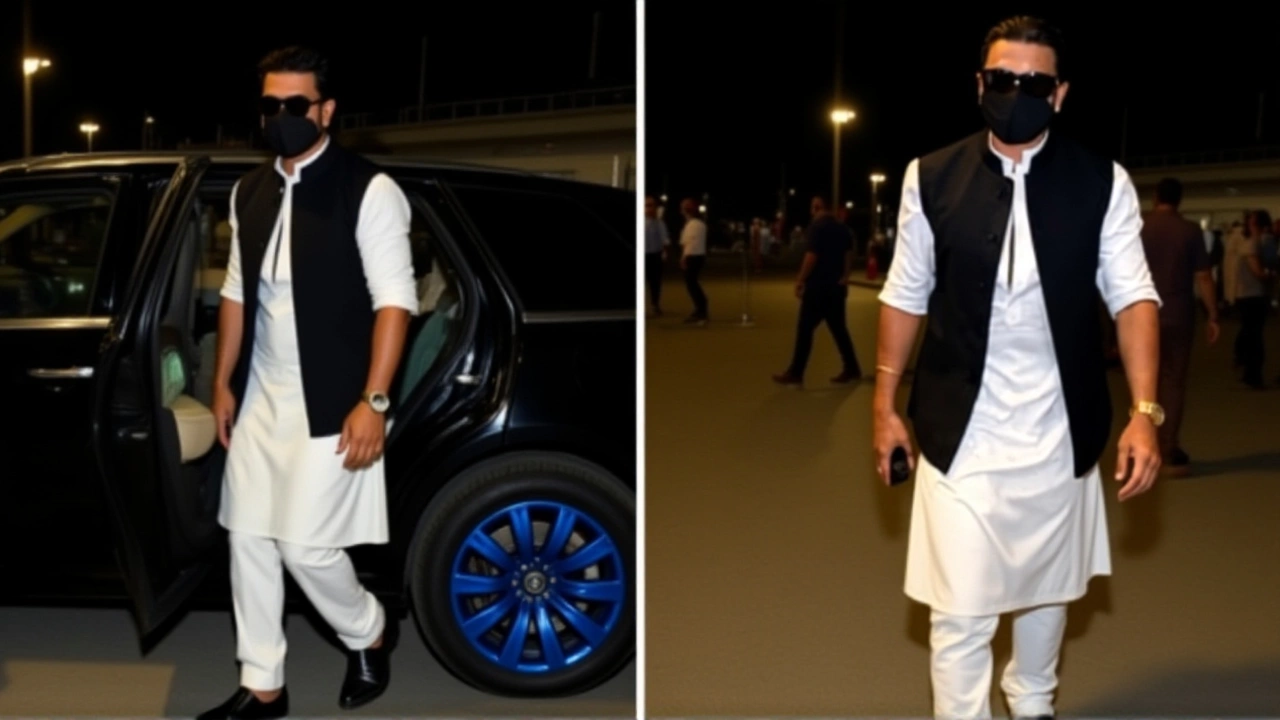
When Ranveer Singh, the high-profile Bollywood actor known for his eccentric style, stepped out of his car at Chhatrapati Shivaji Maharaj International Airport in Mumbai on Tuesday morning, he wasn't just another celebrity catching a flight. He was walking into a storm. This marked his first public appearance since FWICE (Federation of Western India Cine Employees) officially banned him from working with union members just days earlier.
The twist is that despite the industry-wide call to shun him, Singh didn't hide away. Instead, he showed up in full 'Dhruv' mode—his signature intense persona—wearing a crisp white kurta-pajama, a Nehru jacket, and a face mask that kept his expression hidden but couldn't stop the cameras. Within hours, videos of this sighting went viral, sparking debates across social media about power dynamics in Indian cinema.
The Context Behind the Ban
Here's what led to this moment. On Monday, May 25, FWICE held a press conference where they announced an indefinite ban on Ranveer Singh. The reason? His alleged exit from the upcoming film Don 3. According to reports from ABP Live and NDTV, the federation claimed Singh left the project abruptly, causing significant financial loss and disruption to hundreds of technical staff who rely on these big-budget productions for their livelihoods.
FWICE isn't just any group; it represents thousands of technicians, makeup artists, costume designers, and other behind-the-scenes workers in Mumbai’s film industry. When they issue a ban, it carries weight because most production houses depend on their members. By urging the industry not to work with Singh, FWICE effectively tried to isolate him professionally. It’s a rare move against A-list talent, highlighting how deeply entrenched labor unions are in Bollywood’s ecosystem.
A Statement in Silence
So why show up at the airport so soon after such a controversial announcement? Industry insiders suggest Singh’s appearance was calculated—not reckless. Dressed modestly yet stylishly, he avoided direct engagement with paparazzi while still making a visual statement: life goes on. The mask served dual purposes—health safety compliance and privacy—but ironically, it only fueled more speculation. Was he nervous? Defiant? Indifferent?
"He looked calm," said one eyewitness near Terminal 2. "No drama, no shouting. Just walked straight through." That quiet confidence contrasts sharply with the chaos surrounding the ban. While critics argue he should have addressed the allegations publicly, supporters see this as resilience under pressure. After all, Singh has built his career on being unpredictable—and this fits right in.

Industry Reactions and Ripple Effects
The fallout from the FWICE decision hasn’t been limited to Singh alone. Producers, directors, and even fellow actors are caught in the middle. Some studios have reportedly paused negotiations pending clarity, fearing backlash if they proceed without union approval. Others believe the ban lacks legal enforceability and may challenge it formally.
Legal experts note that while unions can advocate strongly, they cannot legally compel private entities to refuse employment unless specific contractual clauses exist. Still, the moral authority wielded by FWICE creates real-world consequences. For instance, smaller crews might hesitate to join projects associated with banned individuals due to fear of future blacklisting or reduced opportunities within union networks.
This situation echoes similar controversies in Hollywood, where guild disputes sometimes lead to temporary standoffs between stars and labor organizations. However, unlike Western markets where arbitration boards often mediate quickly, India’s informal resolution mechanisms tend to prolong tensions until public opinion shifts or economic realities force compromise.
What Happens Next?
For now, the ball lies in multiple courts—literal and figurative. If Singh chooses to respond, whether via social media or a formal press release, it could either de-escalate tensions or intensify them further. Meanwhile, producers must decide whether to push forward with alternative casting solutions or wait for potential reconciliation talks.
Observers will watch closely for signs of dialogue between Singh’s team and FWICE leadership. Past precedents show that bans rarely last indefinitely when major revenue streams are involved. But until then, every public move by Singh becomes symbolic—from wearing traditional attire to avoiding eye contact with reporters.
Frequently Asked Questions
Why did FWICE ban Ranveer Singh?
FWICE banned Ranveer Singh citing his alleged withdrawal from the film Don 3, which reportedly caused financial losses and job insecurity for hundreds of technical staff affiliated with the union. They view his actions as detrimental to worker welfare and sought to discourage collaboration with him across the industry.
Is the FWICE ban legally binding?
Not strictly speaking. While FWICE holds considerable influence over hiring practices among its member base, there is no statutory law preventing non-member producers or independent contractors from engaging Singh. Nevertheless, practical implications remain significant given the union's reach in Mumbai’s film infrastructure.
How has the public reacted to Singh’s airport appearance?
Reactions have been polarized. Fans praised his composed demeanor and iconic look, interpreting it as defiance against unfair treatment. Critics questioned why he didn’t address the controversy directly instead of relying on symbolism. Social media platforms saw widespread sharing of clips showing him navigating security checks calmly.
Will other celebrities face similar bans?
It depends on future incidents involving perceived disrespect toward labor rights or contractual breaches affecting crew stability. Historically, such measures target those seen as undermining collective bargaining efforts. Whether others follow suit remains uncertain but serves as a warning about balancing star power with professional responsibilities.
What impact does this have on Don 3’s production?
Production delays seem inevitable regardless of outcome. Recasting requires time, budget adjustments, and renegotiations with vendors already committed to original timelines. Additionally, investor confidence may waver amid uncertainty, potentially impacting marketing strategies and release schedules planned months ahead.